



Fourth Anniversary of the Culleton, Kuzyk, Warmerdam (CKW) Inquest
Fourth Anniversary of the Culleton, Kuzyk, Warmerdam (CKW) Inquest
This month marks the fourth anniversary of the CKW Inquest, a pivotal moment that exposed critical gaps in systems meant to support and protect victim-survivors of intimate partner violence (IPV). While the inquest produced important recommendations to improve safety, accountability, and access to justice, many of the systemic issues it identified persist.
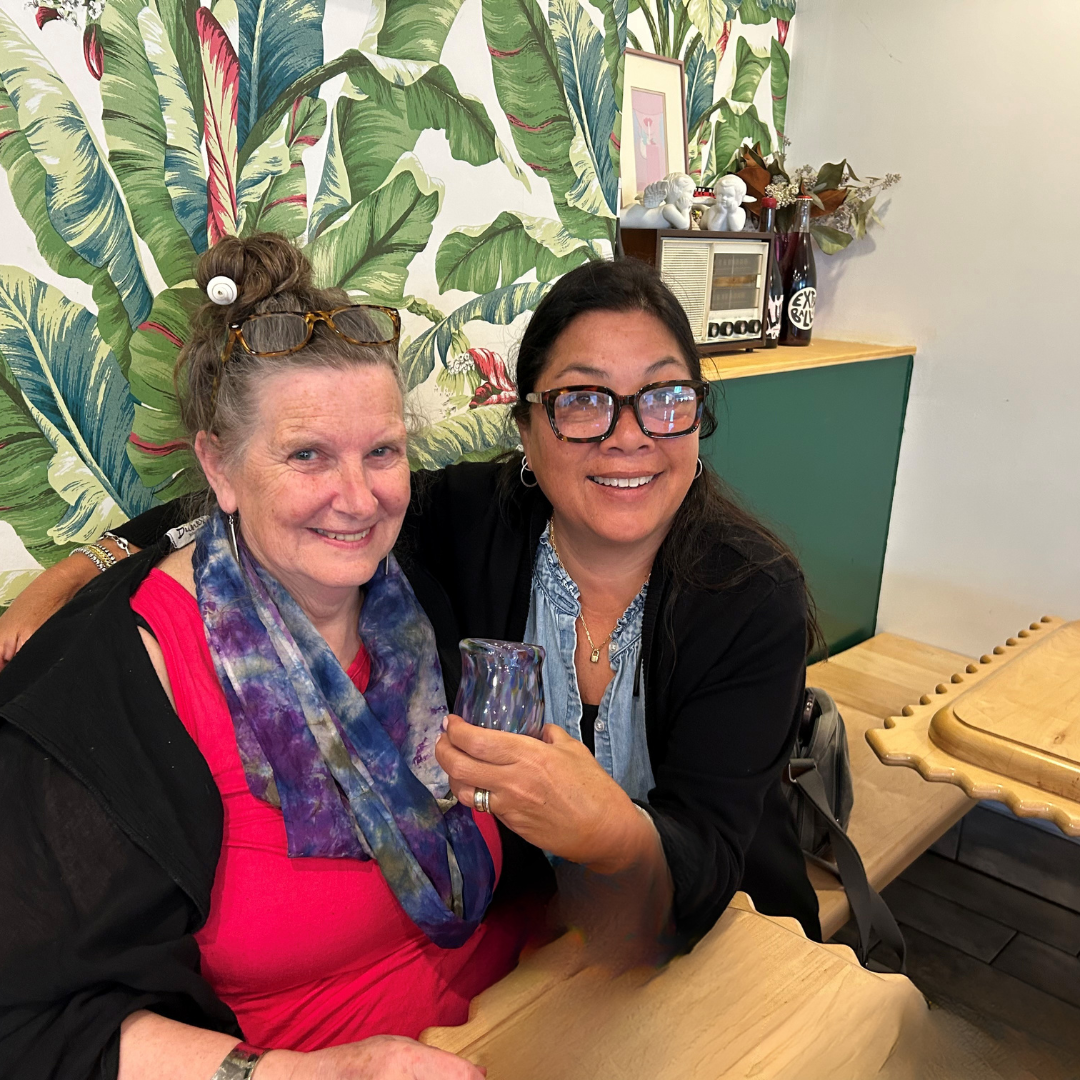
To reflect on progress since the inquest and the work that remains, we spoke with Pamela Cross, expert witness at the inquest, and Erin Lee, Executive Director of Lanark County Interval House and Community Support and witness at the inquest, both of whom are members of Ontario’s Domestic Violence Death Review Committee (ODVDRC), about the current state of the family law system, ongoing barriers for victim-survivors, and what meaningful change must look like moving forward.
Four years after the inquest, what is the one thing you each remember most powerfully about it?
Erin: The true feeling of unity, rooted in trauma-informed care. The momentum and engagement of communities that were ready to lead change for justice.
Pam: The dedication of the jury to find ways to give meaning to the deaths of Carol Culleton, Anastasia Kuzyk, and Nathalie Warmerdam through recommendations for system change. The many points of overlap with the recommendations of the Nova Scotia Mass Casualty Commission, several of which specifically referenced the CKW inquest and the jury’s recommendations.
After four years, which inquest recommendations do you believe have been meaningfully implemented, and which continue to be overlooked?
Erin: I believe that there has been some good work done with several of the eighty-six recommendations.
In Progress/Implemented:
- Recommendation #1: Declaring IPV an Epidemic. The jury’s very first recommendation would create an official, formal acknowledgment of the seriousness of intimate partner violence (IPV). Despite ongoing provincial resistance, more than 110 municipalities across Ontario have passed resolutions declaring IPV to be an epidemic in their communities, validating survivor experiences and shifting local community awareness.
- Recommendation #9: Explore incorporating restorative justice and community-based approaches in dealing with appropriate IPV cases to ensure safety and best outcomes for survivors. There have been significant activities, conversations, and forums to explore what restorative justice models would look like to support the intersection with IPV. Local, provincial, and national conversations are happening across sectors to bring approaches and views into the landscape of possibilities. There is lots of work to do to create such options but the interest and capacity of often opposing sectors is merging toward new creative approaches. This is one to watch as the future possibilities unfold.
- Recommendation #10: Encourage that IPV be integrated into every municipality’s safety and well-being plan. This recommendation is slowly but steadily making progress. Supportive tools were created to reduce barriers and assist municipalities in understanding the need for a distinct pillar and the inclusion of IPV. For more information, see pages 17-20 of the Luke’s Place CKW Inquest Advocacy Toolkit.
- Recommendations 74, 75, 76, and 77 related to Ontario’s Domestic Violence Death Review Committee. In progress. The inquest has provided a number of opportunities for the DVDRC. Both Pam and I are members and have witnessed consistent growth in the committee’s work. The mandate has been reviewed, and the scope has been extended. We are reviewing and amending the list of 41 risk factors for lethality developed over the first 20 years of the DVDRC’s work. We have ongoing open dialogues about the heteronormative language used by many of the systems that are involved in a domestic violence homicide. As of March 2023, the DVDRC has an enhanced representation of Ontario’s diversity of expertise in IPV. There is now an established Indigenous working group reviewing risk factors from an Indigenous-informed perspective. Reports are designed more broadly, with focus topics that reflect trends and overarching commonalities across specific situations, for example, family law cases, an aging population, and gun violence. Reports are being released in a timelier manner and are more readily available to the public. There is an acknowledgment of the term femicide, and methods related to how to implement are ongoing. Slow and steady with intention is how the ODVDRC is responding to specific recommendations. With opportunity always comes challenges. We struggle with the lack of power we have to ensure that recommendations are implemented, the patterns that repeat in many cases, which often support re-issuing recommendations of years past, the timing and readiness of cases and reviewers, the weight of the work, and the under-resourced nature of the committee. Overall, though, both of us are hopeful, and we think the DVDRC is moving forward consistently.
- Recommendation #78 related to the Privacy Commission: Embraced and implemented. The root of this recommendation was to create a plain-language tool to empower community-based professionals working in IPV to better understand and distinguish among decisions involving privacy, confidentiality, and public safety. This process included a consultation phase, a feedback phase, and a release phase. IPV Guidance Tool
- Recommendation: 44 Enhance High Risk Committees. This recommendation is having some movement in communities where working relationships are positive and are being led by both shelters and justice partners. This work needs to remain ongoing.
Starkly overlooked:
- Oversight recommendations (12, 18-20,33-35) of abusers, proper tracking of risk factors, and adequate, stable funding for women’s shelters/anti-violence agencies are facing staggering delays. Family court support enhancement and National Action Plan (NAP) funding are time-limited, while pressures on services continue to increase.
- Accountability recommendations (2, 3, 45) relate to the IPV commission and oversight of implementation. These recommendations have been discussed by advocates across the province, and there has been some federal interest, but nothing significant has evolved at this time. This is a grave missed opportunity, as this can offer the government access to immediate information related to trends, needs, and issues facing communities everywhere, and is designed to engage survivors on all levels.
- Recommendations related to firearms (56), review of mandatory charging (58), and communication across systems, probation, and parole (66). There are some discussions, but nothing of significance at the moment. While the red flag law has some risk-mitigation potential, the implementation process is slow, and we are just beginning to learn about it and its risks. All services must be required to engage in training, including justice partners.
What do you see as the most persistent barriers for victim-survivors navigating the family law system today, particularly in cases involving intimate partner violence?
Pam: Because there were no family law issues or proceedings in the Renfrew County triple femicide, this was not a focus of the inquest or recommendations. However, the increased attention being paid to IPV because of the CKW inquest and the Nova Scotia Mass Casualty Commission has opened the door to the many barriers for survivors of IPV who are navigating the family law system. I think three of the most pressing issues are:
- Lack of mandatory education about intimate partner and family violence for lawyers and judges. Until this is in place, no matter how much the laws improve, survivors will continue to have an uphill battle to have their evidence of abuse taken seriously and properly understood. This leads to poor and often unsafe outcomes.
- Lack of adequate legal aid. Financial eligibility criteria are so stringent that few survivors can obtain full legal representation. Without a lawyer, navigating the family system can be terrifying and challenging. Survivors often do not put their best case forward because they do not know what the law offers.
- Legal bullying. It is not uncommon for an abuser to manipulate the legal system to bully his former partner. This can lead to lengthy delays in the process; unnecessary and unsafe contact between the abuser and the survivor; increased legal bills for the survivor because of the abuser’s actions; re-traumatization for the survivor because she must deal directly with the abuser; and poor outcomes for her and the children. In some cases, the survivor will return to the relationship because she cannot bear to have to manage the abuser through the court process.
What are the most urgent changes needed right now to improve safety and access to justice for victim-survivors and prevent future tragedies?
Erin: Stable and adequate funding to critical “first responders” including shelters, second-stage transitional housing, crisis supports, and legal engagement. These are overlooked and not labeled as first responders, even though they are often the only services a victim will engage with as the journey unfolds.
Inclusion of IPV in all community safety and well-being plans will situate IPV across all municipalities and provide for system accountability, creative responses, and community collaboration toward early intervention and prevention strategies, as well as a focus on community-based resolution approaches, including restorative justice.
The need for the implementation of an IPV/GBV Commission. Great work has been done, and a model to work with has been created by LEAF. This oversight would serve the government well, as advisory capacity would reflect a regional, provincial, and federal lens, leading to informed solutions and engagement with government decision-makers. We must work alongside each other.
Pam: First, I will build on Erin’s final comment. We need to create structures that will hold governments at all levels and other systems accountable to us. Changing a law has little value if the people responsible for implementing, interpreting, and enforcing it do not do their jobs properly.
This means those folks need to be educated and trained about gender-based violence. That education and training cannot just be developed and delivered internally. It needs to involve community-based subject experts and survivors. It cannot be a one-off; it must be ongoing. And there needs to be ongoing evaluation to ensure that once people have been trained and educated, they are applying what they have learned.
Accountability also means that governments and others should be mandated to implement recommendations from inquests and death review committees.
Second, we need a massive public education campaign to dispel the myths and stereotypes that continue to inform how people understand GBV. When the public is well informed, good policy will follow.
Third, we need to properly fund prevention work. Right now, most of this work is done by violence against women organizations with little or no funding. Our goal should be to end GBV, not just improve the quality of the band-aids we put over the wounds it causes.
Four years after the CKW Inquest, its recommendations remain both a roadmap for change and a reminder of the work still ahead. While progress has been made in some areas, victim-survivors of intimate partner violence continue to face significant barriers to safety, support, and justice. Meaningful change requires more than recommendations; it requires sustained commitment, accountability, adequate funding, and ongoing collaboration across systems and communities. As we reflect on the lives of Carol Culleton, Anastasia Kuzyk, and Nathalie Warmerdam, we must continue to push for the changes needed to prevent future tragedies and ensure that all victim-survivors receive the support and protection they deserve.
Resources:
- 86 Recommendations for Change
- Culleton, Kuzyk & Warmerdam (CKW) Inquest Advocacy Toolkit
- Erin Lee, Interval House Executive Director looks at each recommendation on Lanark Leeds Today
- Lessons From a Rural Inquest Webinar with Pamela Cross, Eric Lee, Kirsten Mercer, and Prabhu Rajan
- Building a Bigger Wave – List of municipalities that have declared intimate partner violence an epidemic